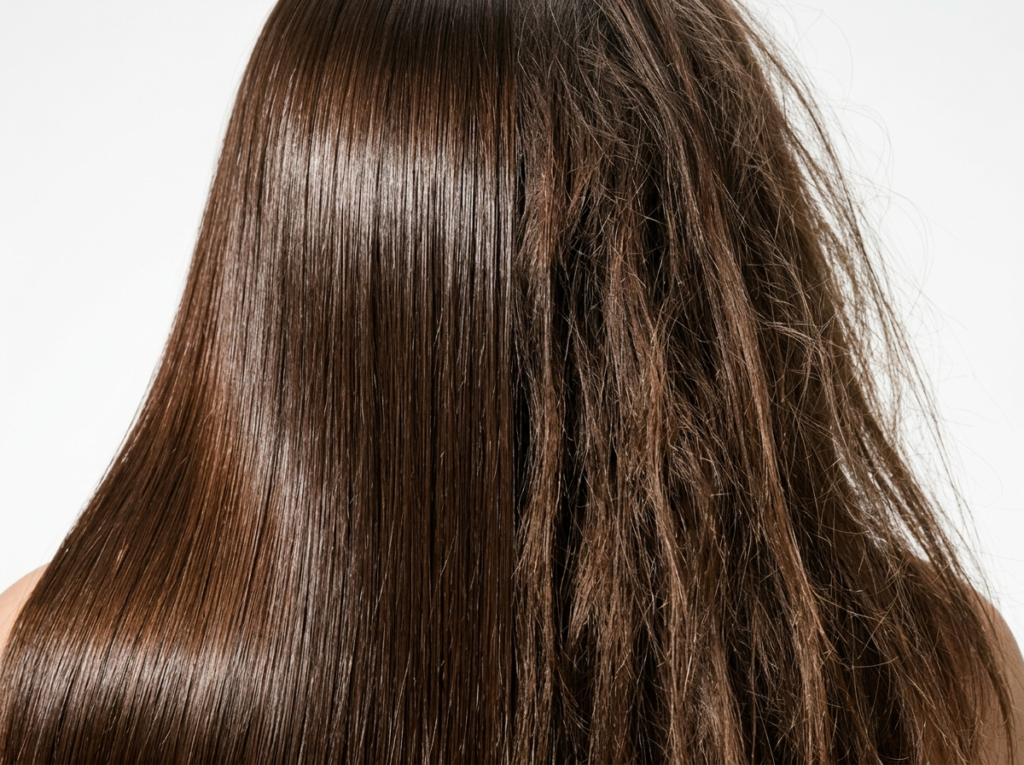
I bleached my hair three times in four months. I am not proud of this. I was chasing a colour I had seen on someone else and each appointment got me closer but not quite there, and by the time I arrived at the shade I wanted, my hair had the texture of old rope. It broke off when I brushed it. It looked fine in photos and terrible in real life, which is its own specific kind of devastating.
Damaged hair is not one problem. It is several: the cuticle is lifted and rough, the cortex is compromised so the hair has no elasticity, the ends are splitting, and the whole thing is porous — it absorbs moisture and releases it almost immediately. Most hair routines are designed for mildly dry or frizzy hair. Genuinely damaged hair needs a different approach.
Here is what actually worked. Not overnight — that is not how hair repair works. But over six weeks this routine changed the condition of my hair enough that my hairdresser asked what I had been doing differently. That felt like enough.
01 Wash Less. Seriously, Less.
Daily washing is one of the fastest ways to keep damaged hair damaged.
When my hair was at its worst I was washing it every day because it looked greasy otherwise. What I did not understand was that the daily washing was causing the greasiness — stripping the scalp forces it to overproduce sebum to compensate. A cycle I had created and was maintaining by myself.
Damaged hair needs its natural oils more than healthy hair does. Those oils travel down the shaft and coat the cuticle, providing protection the hair cannot generate for itself after chemical damage. Washing every day removes them before they reach the mid-lengths and ends.
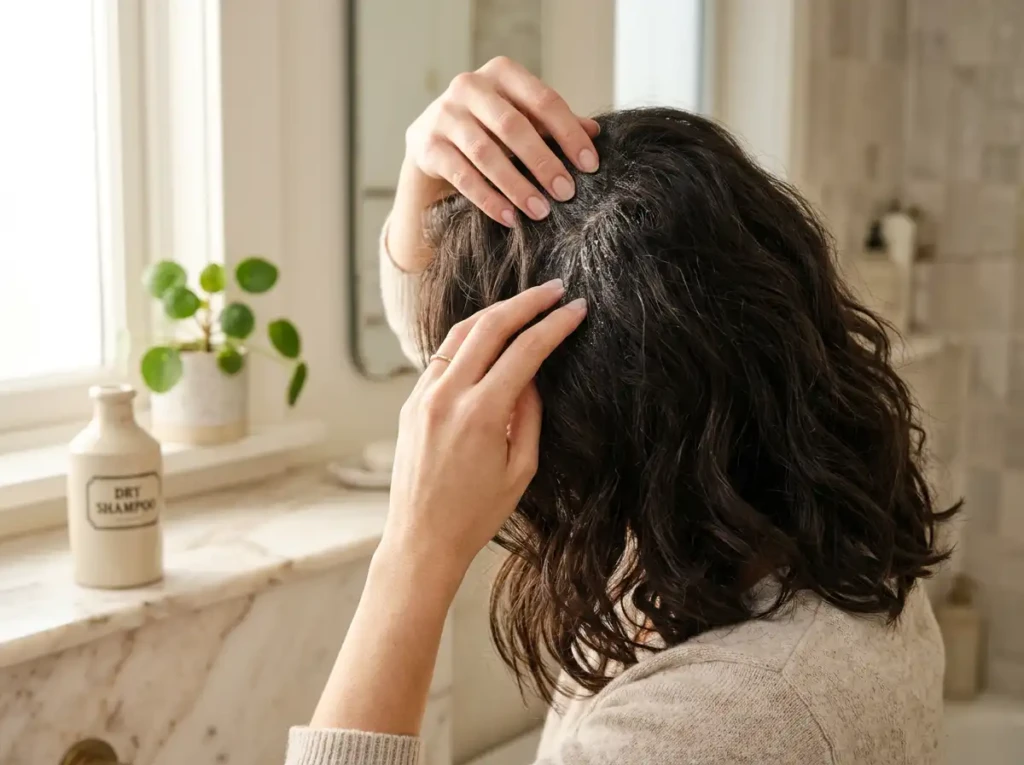
Stretch to every two to three days. The first two weeks are uncomfortable and dry shampoo helps — Batiste Original is fine and cheap, but use Batiste Brunette on dark hair or it leaves a white cast. After two weeks your scalp recalibrates and the greasiness genuinely reduces. It took me longer to believe this would work than it actually took to work.
02 Switch to a Sulfate-Free Shampoo — and Mean It
Most shampoos are cleaning agents first and hair products second. Damaged hair cannot afford that.
Sulfates are what make shampoo foam. They are genuinely effective cleansers — they remove product buildup, excess oil, environmental grime. On healthy hair that is fine. On damaged hair with a compromised cuticle and low porosity, sulfates strip the little moisture that is there and leave it drier and more brittle after every wash.
I switched to Olaplex No.4 Bond Maintenance Shampoo and noticed a difference within two washes. Less breakage in the shower. Less frizz when drying. The ends felt less like straw. It costs around $30 and lasts a long time because damaged hair needs less shampoo — you are cleaning the scalp, not the lengths.
A cheaper option: OGX Argan Oil of Morocco Shampoo is in most supermarkets for under $10 and works without sulfates. Briogeo Blossom and Bloom Volumizing Shampoo is around $24 and sulfate-free.
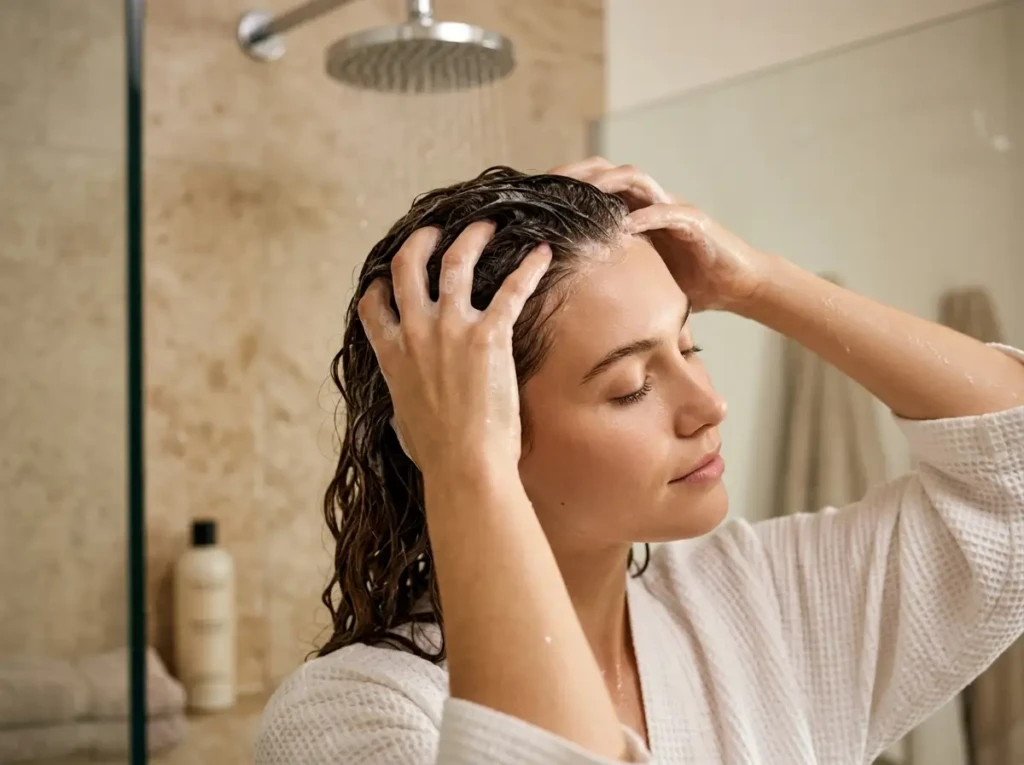
Shampoo the scalp only. Work it into the roots with fingertips and let the rinse water carry it through the lengths. Direct application on damaged ends is more drying than useful.
03 Conditioner Is Not Optional
I know this sounds obvious. I was still skipping it three times a week.
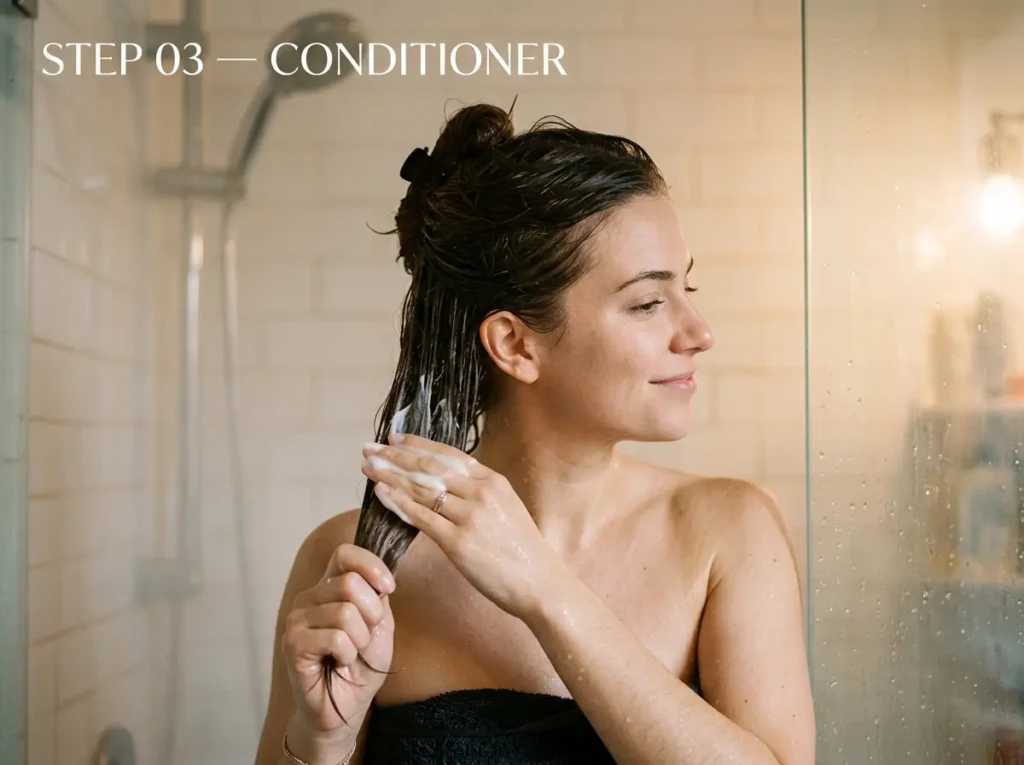
For years I used conditioner as a finishing step — a quick application, a quick rinse, done. On damaged hair that is not enough. The cuticle needs something to smooth it back down after washing, and a 30-second conditioner application is not doing that.
Leave it on for at least three minutes. Put it on, clip your hair up, finish your shower, then rinse. I timed myself once after someone told me this and realised I had been rinsing after about 40 seconds. That is not conditioning. That is hoping.
For damaged hair, heavier conditioner beats a light one. Redken All Soft Heavy Cream is designed for very dry and damaged hair and leaves mid-lengths noticeably softer after one use — around $26. Garnier Fructis Sleek and Shine Conditioner is about $5 and works better than its price suggests.
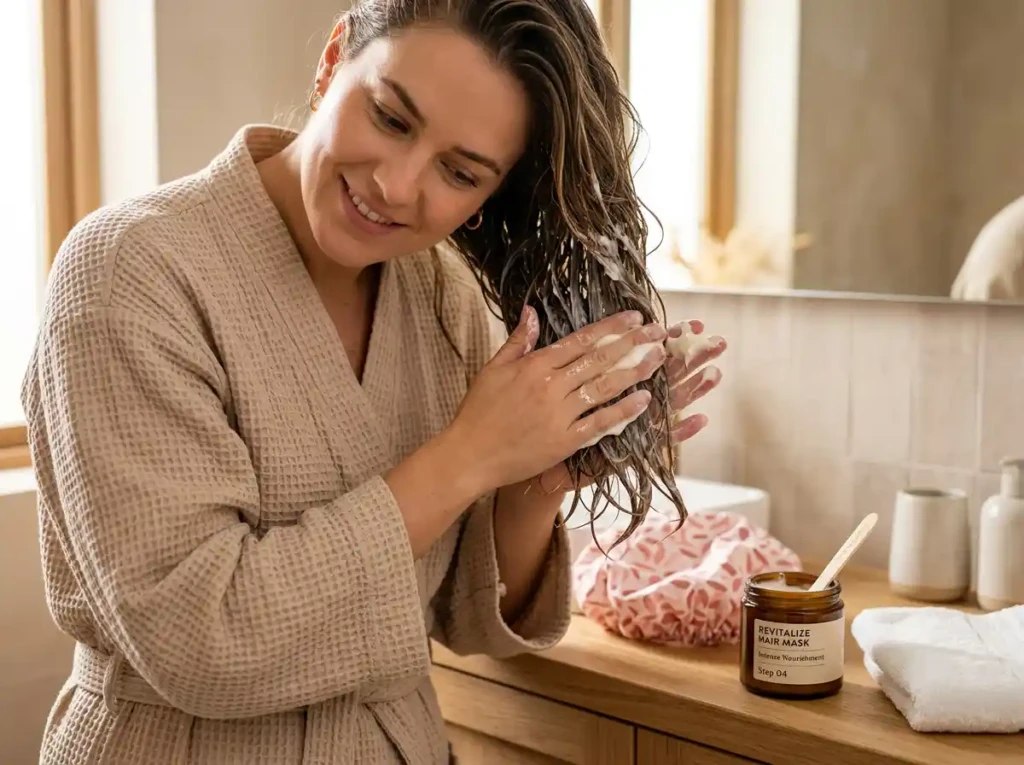
04 Use a Hair Mask Every Single Week
Not occasionally. Not when you remember. Every week, until the situation changes.
A hair mask is not a luxury step for damaged hair. It is the step that does the most actual repair work. Regular conditioner smooths the surface. A good mask penetrates the cortex and replaces some of the proteins and lipids that chemical damage has removed. They are different products doing different jobs and one does not substitute for the other.
Olaplex No.3 Hair Perfector is the most talked-about repair treatment and it earns the attention. It is not a conditioner — it is a bond-building treatment that reconnects broken disulfide bonds in the hair structure. Apply to towel-dried hair before shampooing, leave for at least 10 minutes, then wash as normal. Around $30 for a bottle that lasts months. I used it weekly for six weeks and the change in elasticity — hair stretching instead of snapping — was the first real sign of repair.
If Olaplex is not in the budget, Aussie 3 Minute Miracle Reconstructor is under $8 and good for weekly use. Leave it longer than the packaging says. Most masks say five minutes. Damaged hair benefits from 20 to 30 minutes. The longer the contact time, the more the ingredients actually work.
05 Protect It From the Heat You Are Still Using
I am not going to tell you to stop using heat entirely. But you need to use it differently.
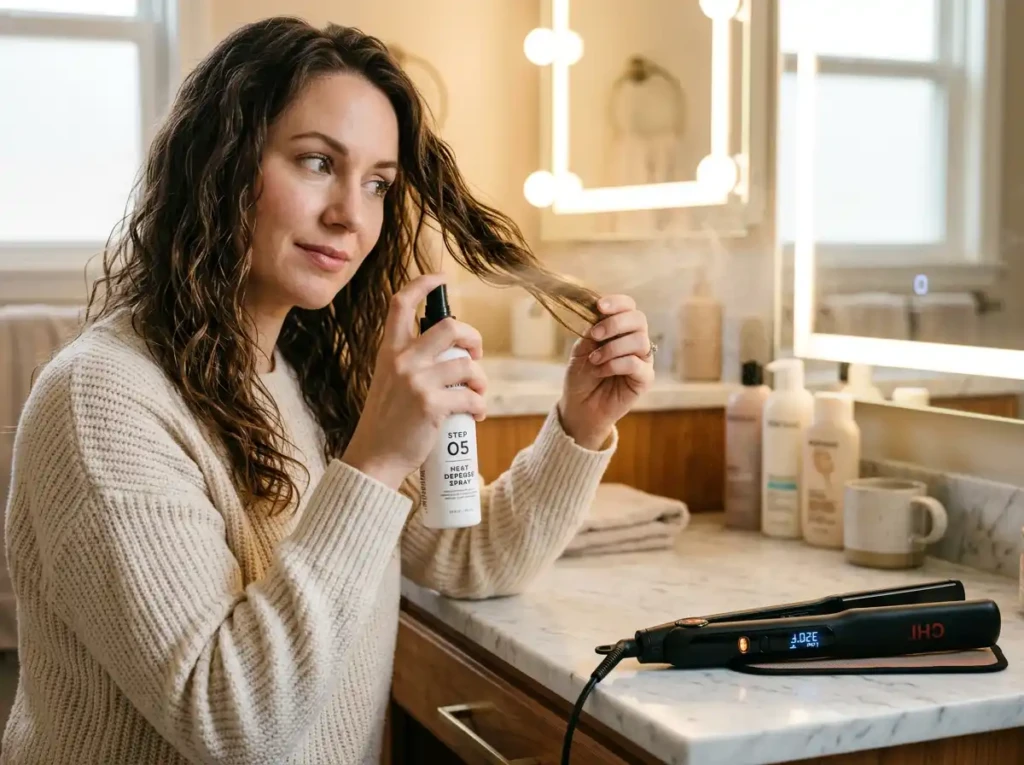
Every article about damaged hair tells you to stop using heat. I understand why and I also know that most people are not going to do that. What is actually achievable is using heat less, using it at lower temperatures, and using a heat protectant every single time without exception.
Heat protectants work by forming a barrier between the heat tool and the hair shaft. On damaged hair with a lifted cuticle, direct heat penetrates faster and causes more damage than on healthy hair. A protectant does not make heat safe. It makes it less destructive. There is a real difference between the two and it is worth understanding.
Tresemme Thermal Creations Heat Tamer Spray costs about $7 and protects up to 230 degrees. It is not fancy but it works everywhere. Olaplex No.9 Bond Protector Nourishing Hair Serum is a heat protectant and bond-building treatment in one — around $30 and worth it for daily use.
Drop your tool temperature. Most people use flat irons at 200 to 230 degrees. Damaged hair responds to 160 to 180 degrees and takes slightly longer but the breakage difference is significant. I dropped mine to 170 and the amount of hair on my bathroom floor halved within a week.
06 Dry It Gently — the Towel Is Doing More Damage Than You Think
Wet hair is at its most vulnerable. Most people treat it at its worst.
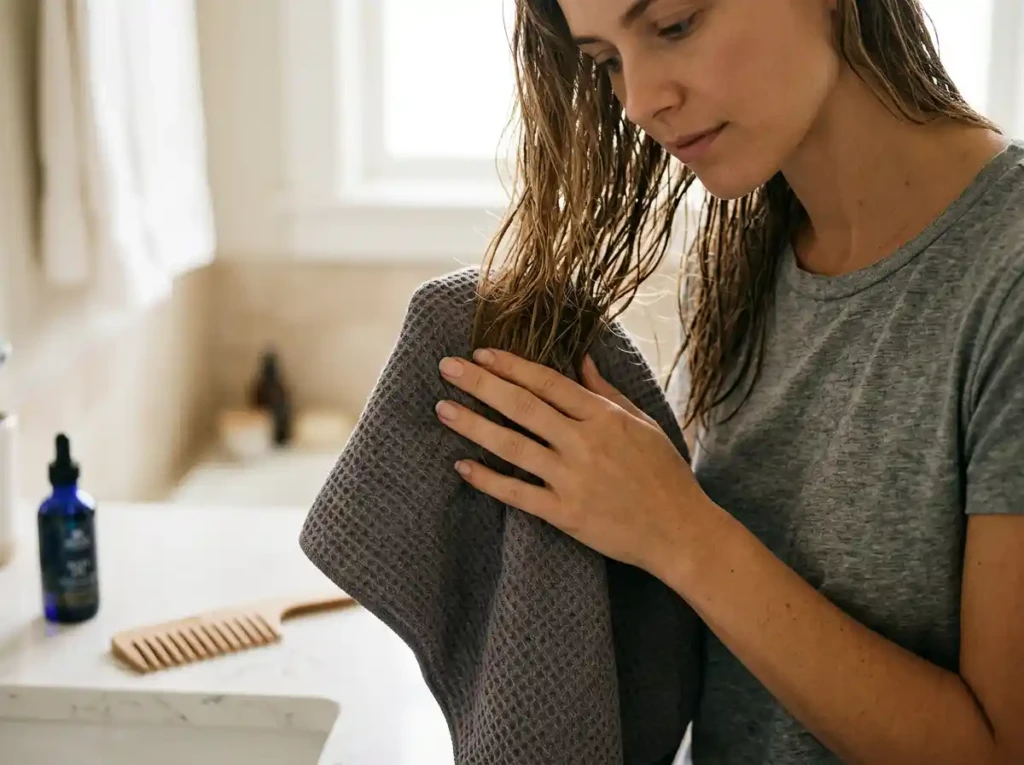
Wet hair stretches. Damaged wet hair stretches and snaps. The aggressive towel-drying, the rough scrunching, the brushing while soaking wet — all of it is causing breakage that accumulates over months and years into the thinning, breaking ends that nobody can explain.
Switch to a microfibre towel or an old cotton t-shirt. Both absorb water without the rough friction of a regular towel. Squeeze, do not rub. Press the hair between the fabric rather than scrubbing it. The Aquis Original Hair Towel is the microfibre option most hairdressers recommend — around $30. An old t-shirt costs nothing and works almost as well.
If you brush wet hair, use a wide-tooth comb or a Wet Brush — flexible bristles that flex rather than pull. Start at the ends and work upward. Never drag a brush from root to tip through wet damaged hair. That single change reduced my breakage more than any product did in the first month.
The One Thing Nobody Wants to Hear
You will probably need a trim. Not a big one — an inch or two of the most damaged ends that are splitting and will never seal no matter what you put on them. Split ends travel upward when left alone. A small trim every 8 to 10 weeks stops the damage from undoing everything else.
I resisted this for months because I wanted length. What happened was the ends kept splitting further up the shaft and by the time I finally cut them, I lost more than if I had trimmed regularly from the start. Damaged ends are not length. They are just damage you are carrying around.
Hair repair is slow. Six weeks is the minimum before you notice real change in texture and elasticity. Three months is when other people start noticing. The routine above is not complicated — it is mostly about stopping the things that are keeping the damage going, and adding two or three products that actually address the structure rather than just coating the surface. That distinction matters more than any specific product recommendation I could give you.