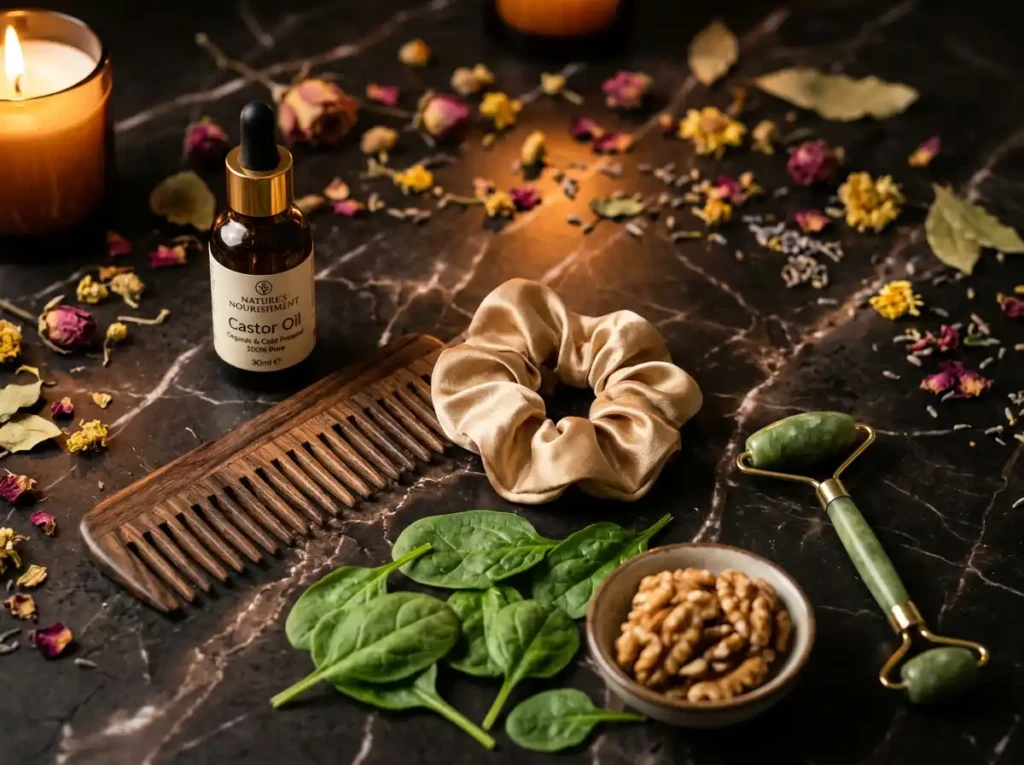
No expensive treatments. No salon visits. Just things that actually work.
Hair growth is slow. That’s not a flaw — it’s biology. The average person grows about half an inch of hair per month, which means if you’re trying to go from a pixie cut to shoulder length, you’re looking at roughly two years of patience.
What you can control is whether your hair is breaking off at the same rate it’s growing, how well your scalp is set up to support growth, and whether you’re doing anything that’s actively slowing things down. That’s it. There’s no secret ingredient that makes your follicles sprint.
Here are five things that genuinely help — explained without the fluff.
Tip 1: Scalp massage — boring name, real results
A 2016 study out of Japan had nine men doing a four-minute scalp massage every day for 24 weeks. At the end, their hair was measurably thicker. Not dramatically so, but the difference was real and consistent across all nine participants.
The mechanism makes sense: massage increases blood flow to the scalp, which means more oxygen and nutrients reaching the follicles. It also stretches the cells around the follicle, which some researchers think stimulates them to produce thicker strands.
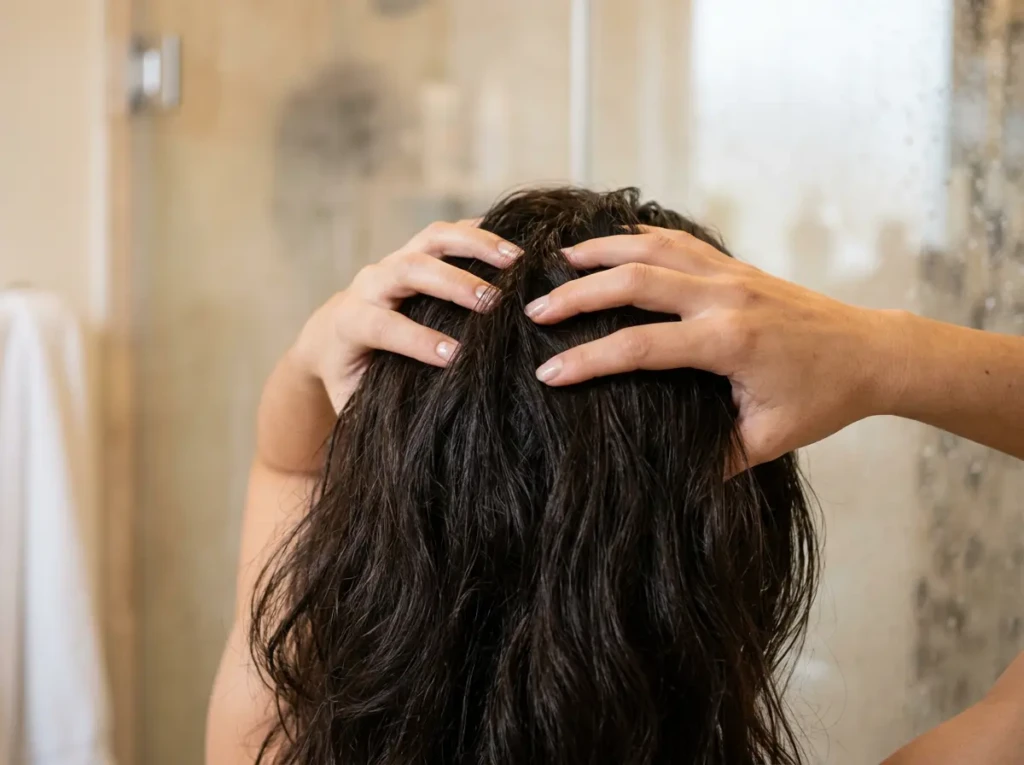
You don’t need a special tool. Four minutes of firm fingertip pressure across your scalp every day is enough. Do it in the shower while your conditioner sits, or before bed. The consistency matters more than the technique.
One thing to be careful about: don’t scratch. You want pressure, not friction. Fingernails on a dry scalp create micro-irritation, which works against what you’re trying to do.
Tip 2: Stop breaking your hair before it grows
This one sounds obvious, but it’s where most people lose progress without realizing it. Hair can grow perfectly well from the scalp and still look like it’s not growing, because it’s snapping off at the ends faster than it’s coming in at the root.
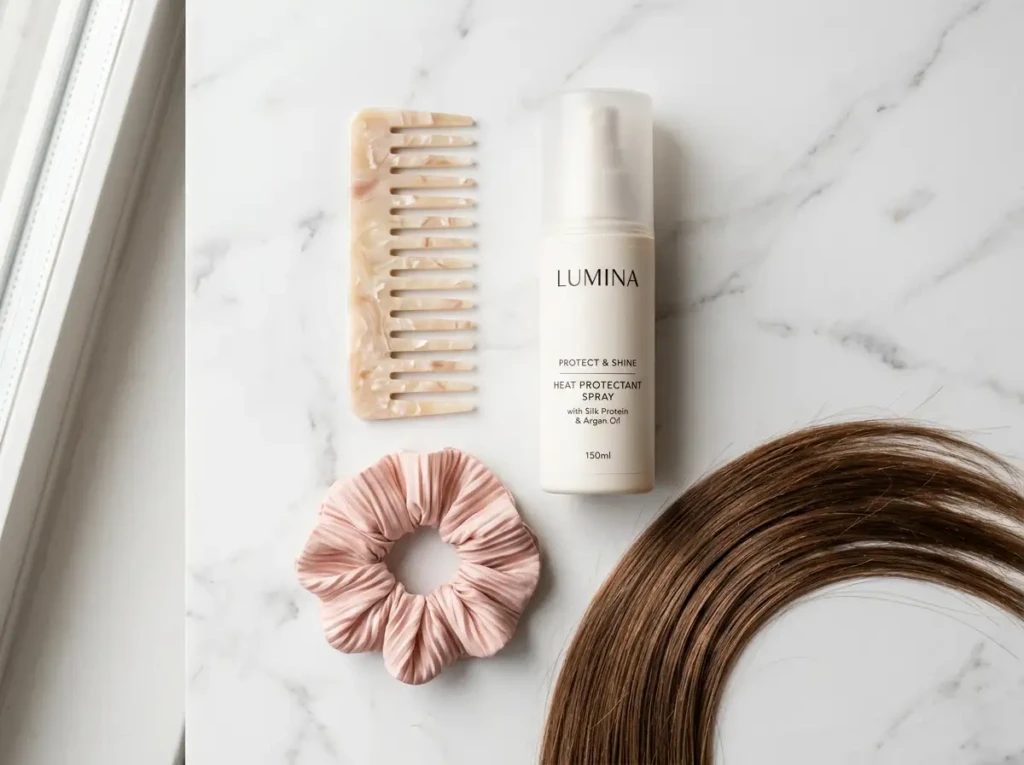
The main culprits are heat tools, tight hairstyles, and rough handling when wet. Hair is about 50% weaker when it’s wet, so brushing it aggressively straight out of the shower is genuinely damaging. Switch to a wide-tooth comb and start from the ends, working your way up.
If you use heat regularly, a good heat protectant applied before styling cuts down significantly on the damage. You don’t have to stop using heat entirely — just be deliberate about it. Daily flat ironing at 450°F on fine hair is going to cause breakage no matter what else you do.
Cotton pillowcases also cause more friction than most people expect. Silk or satin reduces the catching and pulling that happens while you sleep. It sounds like an indulgence but it’s a real difference if breakage is an issue.
Tip 3: Check what you’re eating — deficiencies are more common than you’d think
Hair is made of protein. If you’re not eating enough protein, your body will deprioritize hair growth in favor of more essential functions. The general recommendation is around 0.8 grams of protein per kilogram of body weight per day, and if you’re more active than average, closer to 1.2g.
Iron deficiency is one of the most common causes of hair loss in women, and it often goes undiagnosed for a while because the symptoms overlap with general fatigue. If your hair has thinned noticeably or you’re shedding more than usual, it’s worth getting your ferritin levels checked. Low ferritin — not just low iron — is the relevant number.
Biotin gets a lot of attention, and the supplements are everywhere. The honest version is that biotin deficiency is actually rare, and supplementing when you’re not deficient probably doesn’t do much. If you eat eggs, nuts, and leafy greens regularly, you’re likely fine. Biotin supplements aren’t harmful, but they’re often not the missing piece.
Vitamin D and zinc are two others worth keeping an eye on, especially if you live somewhere with limited sunlight or eat a restricted diet. Again — a blood test tells you more than any supplement packaging will.

Tip 4: Castor oil — overhyped, but not useless
Castor oil has a devoted following in hair communities, and the claims range from reasonable to completely unsubstantiated. The honest middle ground: there’s no large clinical study proving it grows hair faster, but there are plausible reasons it might help.
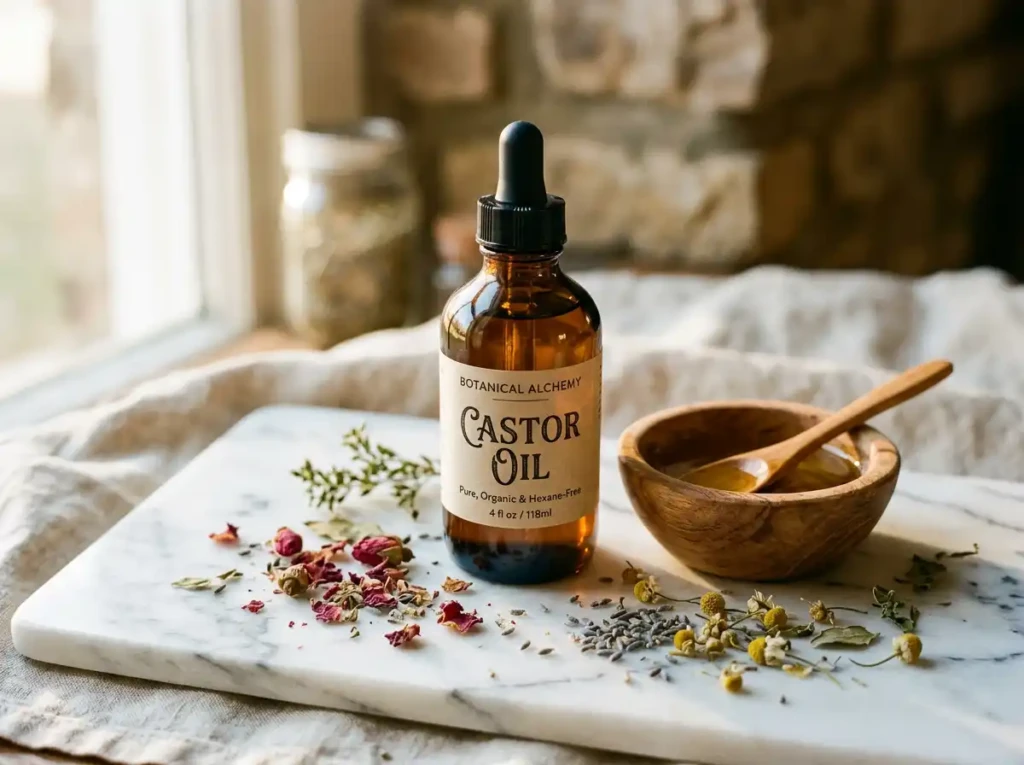
Castor oil is high in ricinoleic acid, which has anti-inflammatory and antimicrobial properties. A healthy, calm scalp is a better environment for hair growth. It’s also a thick humectant that coats the hair shaft and reduces moisture loss, which means less breakage.
How to use it without the mess: mix a small amount with a lighter carrier oil like argan or jojoba (straight castor oil is extremely thick and hard to wash out). Apply it to your scalp, massage it in, leave it for 30 minutes to an hour, then wash it out with shampoo. Once a week is plenty. Leaving it on overnight sounds good in theory but you’ll spend the next morning trying to get it out.
Don’t expect a miracle. Expect your scalp to feel better and your ends to be less dry. That’s the realistic outcome.
Tip 5: Manage stress — it actually does affect your hair
There’s a real condition called telogen effluvium, where significant physical or emotional stress pushes a large number of hair follicles into the resting (telogen) phase at once. The result is noticeable shedding, usually happening two to three months after the stressful event. It’s temporary in most cases, but it can be alarming if you don’t know what’s causing it.
Chronic low-grade stress is less dramatic but also disrupts the hair growth cycle over time. Cortisol interferes with the signals that keep follicles in the active growth phase.
The fix for this one isn’t a product. Sleep is probably the most impactful lever — hair growth happens primarily during sleep, and chronic sleep deprivation raises cortisol levels. Seven to eight hours is the range where most people function best. Cutting that to five or six consistently will show up in your hair eventually, along with everything else.
Exercise helps too — it reduces cortisol and improves circulation. You don’t need a gym. A 30-minute walk most days moves the needle more than most supplements will.

The honest summary
None of these tips will double your hair growth speed. What they do is remove the things slowing it down and give your follicles the best possible environment to do what they already want to do.
Start with the scalp massage and the breakage prevention — those two alone will make a visible difference within a few months. Add in a blood test if you’re shedding more than normal. Keep the rest of it simple.
Hair growth takes time no matter what you do. But at least you can make sure you’re not accidentally working against yourself.