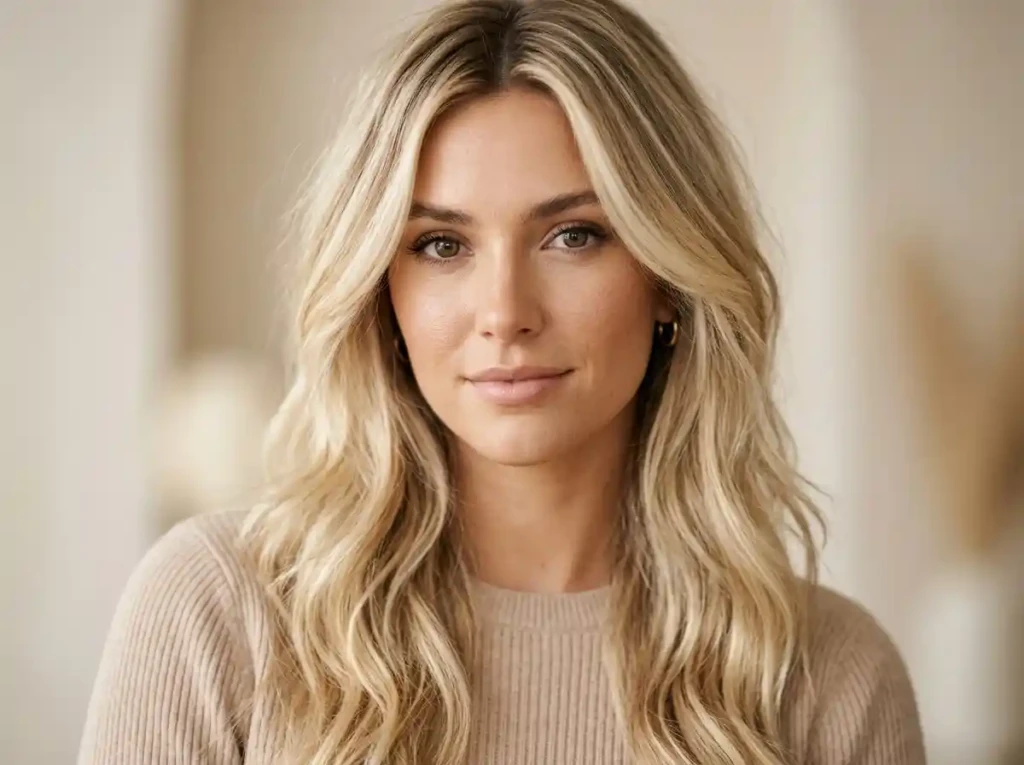
Every summer, colorists predict bold transformations. And every summer, most women leave the salon with something that looks almost exactly like what they walked in with — just a little lighter. That is not a failure. That is the actual trend. In 2026, according to colorists from London to LA, the collective goal is hair that looks like it was never colored at all: sun-kissed, dimensional, low-maintenance, and above all, natural. The era of overly manicured, salon-obvious color is over. What is replacing it is something harder to pull off and far more wearable. Here are the five shades worth knowing about this season — what they are, why they work, and exactly how to ask for them.
01 Crème Brûlée Blonde
The warm, toasty blonde that refuses to go away
Bella Hadid debuted this shade last summer and it has not left the conversation since. The color sits somewhere between a natural dirty blonde and warm honey — think caramelized sugar, not platinum. It is the kind of blonde that reads as completely natural even when it takes six hours and three different foiling techniques to achieve.
LA colorist Jacob Schwartz, who works with Schwarzkopf Professional, puts it plainly: clients are done with overly icy blondes and want something that looks sunlit rather than salon-created. Crème brûlée delivers exactly that. It photographs well in natural light, which is a practical reason for its staying power in an era where most people are documenting everything on their phones.
The shade works on both natural blondes refreshing their color and on brunettes who want a warm, blended result without going fully light. The key is warmth — if your colorist starts reaching for an ashy toner, redirect them.
Ask for: warm balayage with a shadow root, finished with a honey-toned gloss. The shadow root is what makes this low-maintenance — you will not be back in six weeks chasing a regrowth line.
02 Copper Balayage
The boldest option that still grows out gracefully
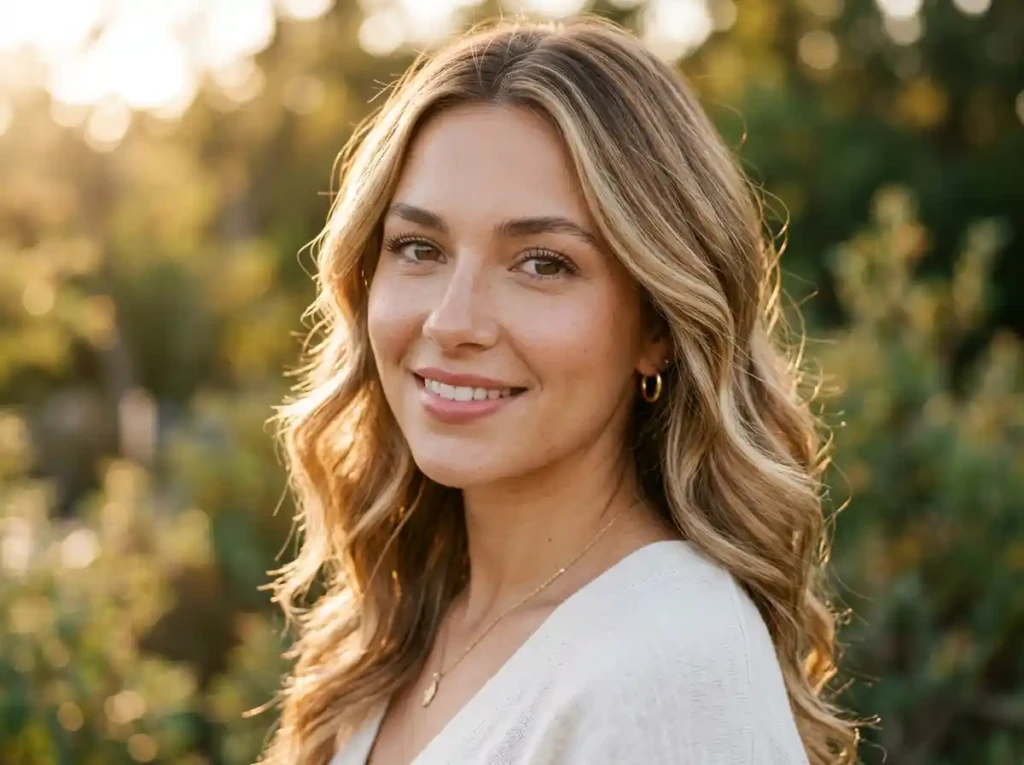
Copper is having a sustained moment. Last year it was full cowgirl copper — rich, saturated, all the way through. This summer it has softened into hand-painted balayage that blends warm amber and copper tones without hard lines. The effect catches light dramatically but still looks wearable on a Tuesday morning.
The balayage technique is what makes this one practical. Because the color is painted rather than foiled, it grows out in a way that does not demand constant maintenance. Colorists suggest refreshing the copper tones every 8 to 10 weeks rather than the monthly visits that a solid copper requires. For anyone who has been burned by high-maintenance reds in the past, this is a meaningful difference.
Best for warm and neutral skin undertones, though colorists report it is more forgiving than it looks. If you have cool undertones, ask for a version with more amber and less red — it prevents the color from pulling orange against your complexion.
Ask for: hand-painted copper and amber tones focused through the mid-lengths and ends. Keep it away from the roots — the darker base is where the depth comes from.
03 Lush Truffle
The brown that feels expensive without trying
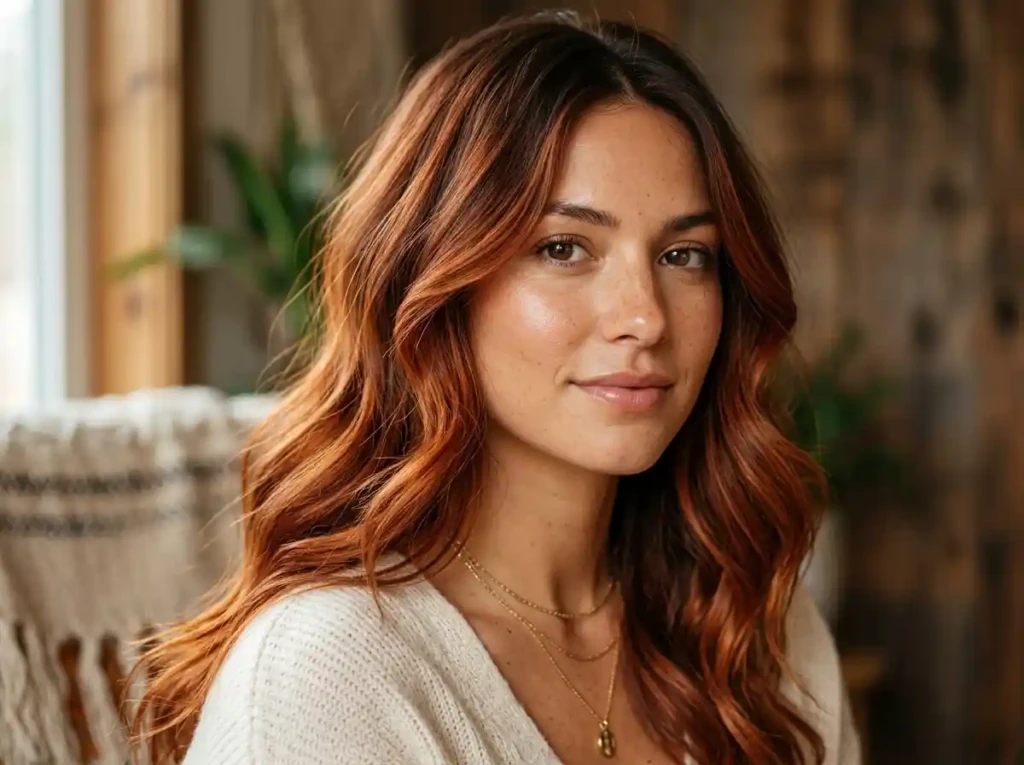
Brunettes are going warmer this year, and lush truffle is the most wearable version of that shift. It is a deep brown layered with warm, slightly reddish undertones — think Lana Del Rey or Kelly Gale rather than flat chocolate box brown. Christel Barron-Hough, founder of STIL Salon in London’s Chelsea, describes it as a shade that is full of warmth, glowy tones, and indulgent truffle pigments. She adds that there is not a hair texture it does not look great on.
The trend is a direct response to the cool, ashy browns that dominated the last few years. Those shades required relentless toning to maintain; truffle is more forgiving because its warmth reads as natural depth rather than processed color. You can go longer between appointments without the color looking faded or brassy.
For multi-textured hair, a semi-permanent color works particularly well — it adds warmth and hydration at the same time, which matters when texture is already doing a lot of work.
Ask for: a warm brunette with soft truffle pigments and a slight red glow. If you are coming from a cool brown, ask for a warm gloss over your existing color first to test how the warmth sits before committing to a full color.
04 Modern Soft Ombré
The 2010s technique, rebuilt for people who want subtlety
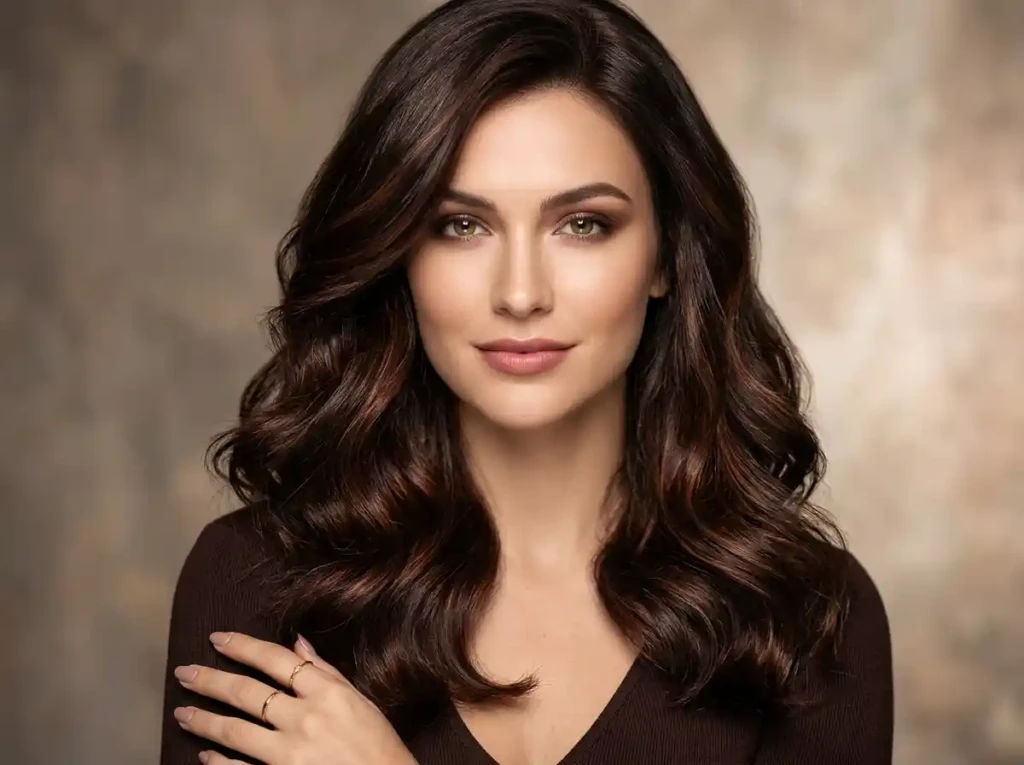
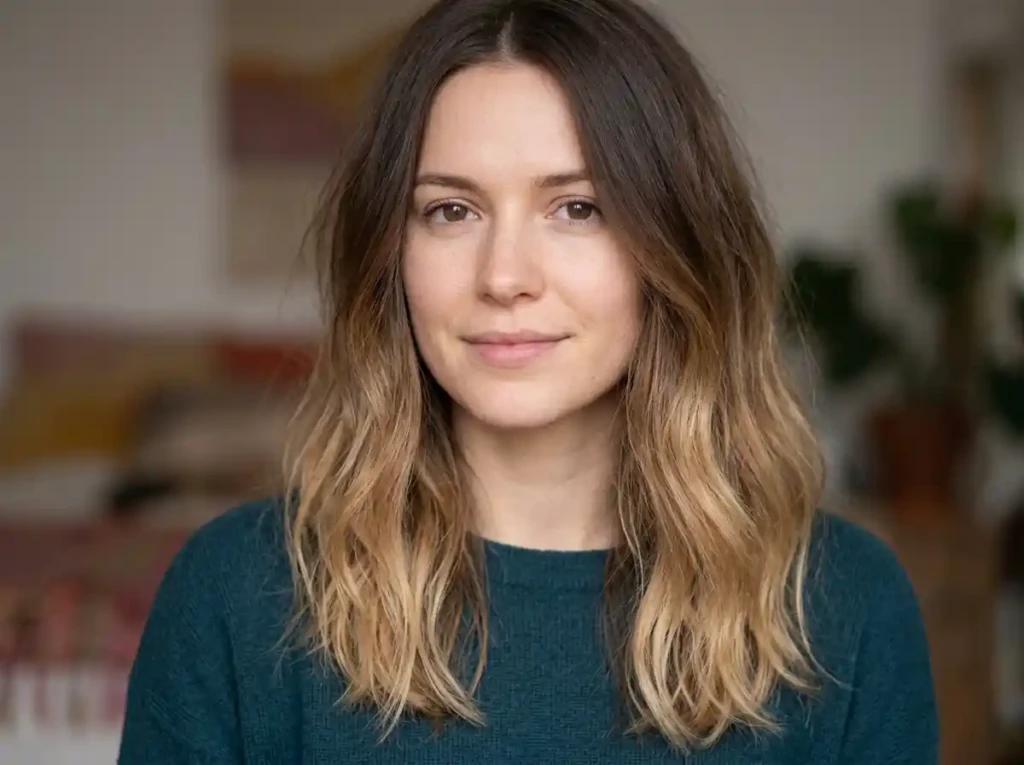
Ombré is back — but not in a way you would recognize from 2014. Celebrity colorist Travis Ogletree, a Moroccanoil ambassador, describes the current version as heavy balayage with minimal contrast: ends only two or three shades lighter rather than bleached tips. It looks like your hair gradually lightened over a summer rather than something that happened in a single salon visit.
The 2014 version was hard-edged, obvious, and aged quickly. This one is designed to look undone from the start. It is specifically suited to brunettes who want to feel lighter without a full color commitment — the kind of change you notice in a photo but cannot quite identify in person.
It also works well as a transition look. If you are growing out heavy highlights or a dramatic balayage, soft ombré can blend the old color into something more natural over two or three appointments, rather than forcing an abrupt chop or a full re-color.
Ask for: a seamless lift and color melt, with ends two to three shades lighter. Any more contrast than that and you are back in 2014 territory — the restraint is the whole point.
05 Rooted Blonde
Blonde that admits it has roots — on purpose
There is a quiet shift happening with blonde hair. Platinum and fully bleached looks are giving way to what colorists are calling rooted blonde — a technique where the root is intentionally left darker or given a soft shadow, building the grow-out into the design from the very first appointment. Sarah Pidgeon is the current reference image most colorists are pulling up when clients ask for it.
The practical logic is sound. Faux blondes — natural brunettes who go very light — have historically faced harsh regrowth lines every six to eight weeks. Rooted blonde builds the transition in deliberately, so the hair looks intentional at week two and week ten. Ogletree describes it as giving clients brightness without the maintenance that fully platinum requires.
A subtle face-frame highlight is usually added to keep the brightness connected around the face, where lightness matters most. The rest can stay darker and the overall result still reads as blonde rather than brunette with highlights.
Ask for: rooted blonde with a root shadow and minimal face-framing highlights. If your hair already runs dry from existing color, swap your conditioner for a deep mask every other wash — Ogletree specifically calls this out because bright blonde only looks good when the hair underneath is in good condition.
The common thread across all five: none of these colors announce themselves. They do not shout for attention or require a dramatic reveal at the salon reveal. The goal in 2026 is hair that looks like it belongs to you — just on a very good day.