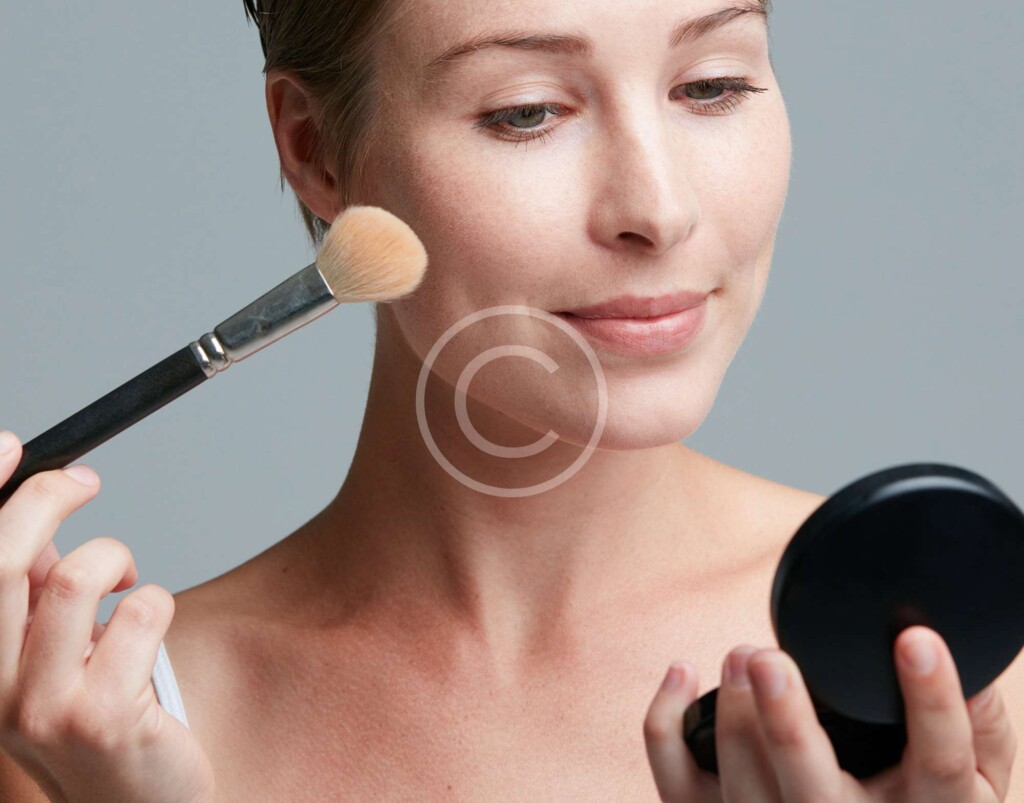
The step most people skip is usually the reason their makeup doesn’t last.
I used to think face powder was optional. A finishing touch for people who cared more about makeup than I did, or something models got dusted with backstage that normal people didn’t actually need. I was wrong, and I figured that out the hard way — specifically, by looking at photos from a summer wedding where my foundation had migrated into my fine lines by hour two and I looked approximately fifteen years older than I am.
Face powder does two things that nothing else in your routine does: it sets what’s underneath so it actually stays put, and it controls shine so your skin looks like skin instead of a glazed donut. That’s it. It’s not complicated. But choosing the wrong one, or applying it the wrong way, can make your makeup look caked, chalky, or dry — which is why a lot of people skip it and then wonder why their base doesn’t last.
Here’s what you actually need to know.
Loose vs. Pressed: Which One You Need
This is the first decision and it matters more than most people realize. Loose powder and pressed powder are not the same product in different packaging. They behave differently, they’re best for different situations, and using the wrong one is a common reason powder looks bad.
Loose powder is finely milled and light. It sets makeup without adding any visible texture, and it’s the better option if you want a natural, skin-like finish. The downside is that it’s messy — tap too much out of the jar and you’re dusting your shirt. It’s also impractical to carry around. Most makeup artists use loose powder for initial setting because the finish is cleaner. If you’re doing your makeup at home and want the best possible result, loose is worth the minor inconvenience.
Pressed powder is the same formula compressed into a compact, which makes it portable and easy to apply on the go. The compression means it goes on slightly heavier, so a light hand matters more. It’s ideal for touch-ups during the day. A lot of people use loose powder at home for setting, then carry a pressed powder compact for midday oil control. That’s a reasonable system.
One more thing on this: translucent powder and setting powder are often used interchangeably but they’re not quite identical. Translucent powder has no pigment — it works on any skin tone and doesn’t alter your foundation color. Tinted setting powder adds coverage. If your foundation already gives you the coverage you want, go translucent. If you want to build a little more, go tinted and match it to your skin tone carefully.
Choosing the Right Formula for Your Skin Type
This is where most powder mistakes happen. Using the wrong formula for your skin type doesn’t just fail to help — it can actively make things worse.
If you have oily skin, you want a powder with oil-absorbing ingredients. Look for silica, kaolin clay, or cornstarch in the ingredient list. These physically absorb sebum throughout the day rather than just sitting on top of it. Mattifying powders marketed specifically for oily skin usually contain one or more of these. Avoid anything described as ‘dewy’ or ‘luminous’ — those are designed to add glow, which is the opposite of what oily skin needs from a powder.
If you have dry skin, you need to be more careful. Heavy powders will settle into dry patches and make them look flaky and textured. Look for finely milled formulas with a hydrating base — some contain hyaluronic acid or glycerin, which sounds like a weird thing to put in a powder but actually helps prevent that cakey look. Apply sparingly and only where you actually need it: the T-zone and areas where your makeup tends to crease. Skip your cheeks entirely if they tend to get dry.
Combination skin gets the most flexibility. Use a lighter hand everywhere and a slightly more targeted application on the oily zones. You don’t need to buy two separate products — a good translucent loose powder applied with a fluffy brush works on most combination skin types without overdoing it.
Sensitive skin: fragrance is the ingredient most likely to cause a reaction in powder formulations, so check for it. Mineral powders — ones that list zinc oxide or titanium dioxide as primary ingredients — tend to be the most tolerated by reactive skin. They also offer some incidental SPF, which is a bonus.
The Tools: Brush vs. Puff vs. Sponge
The applicator you use changes the finish more than most people expect. This is one of those things that sounds overly fussy until you try it and immediately see the difference.
A large fluffy powder brush gives the lightest, most diffused application. It’s the best tool for setting your whole face without adding visible coverage or texture. Tap off the excess before it touches your face — more powder on the brush does not mean better coverage, it means a chalky mess. Sweep it lightly across the skin in downward strokes. Going downward is important: it flattens the fine facial hairs so they don’t catch powder and look frosted.
A velour puff — the kind that comes in a compact or sold separately — presses powder into the skin rather than sweeping it across. This gives more coverage and longer wear, but it’s easier to over-apply. The technique is a pressing and rolling motion, not swiping. Puffs are good for baking (more on that in a moment) and for areas where you need the makeup to really stay: under the eyes, around the nose, the center of the forehead.
A damp beauty sponge with powder on it gives a dewy, skin-like finish that looks like you’re not wearing powder at all. It’s a good technique for dry skin because it prevents the powdery look. Dampen the sponge, squeeze out the excess water, dip lightly into loose powder, and stipple it on. The result is more natural than a brush but with enough coverage to set the makeup underneath.
How to Actually Apply It: Step by Step
Step one: wait. After applying your foundation or tinted moisturizer, give it sixty seconds to settle into the skin. Applying powder immediately over wet foundation pushes it around and can cause pilling. Sixty seconds is enough.
Step two: load the brush or puff lightly. Tap off the excess over the container. You want less product than you think you need.
Step three: start in the center of your face and work outward. The T-zone — forehead, nose, chin — is where most people need powder most. The outer edges of your face, especially your cheeks and hairline, need less.
Step four: use a downward sweeping motion with a brush. If you’re using a puff, press and roll rather than wipe. Never rub — it disturbs the foundation underneath.
Step five: check in natural light before you leave the house. Powder looks different in bathroom lighting than it does outside. If it looks chalky or heavy near the hairline, that’s too much — blend it with a clean brush using the same downward strokes.
Baking: What It Actually Is and Whether You Need It
Baking became a thing because of drag makeup — the technique was used for stage looks where performers needed their makeup to survive sweat, heat, and close-up lighting for hours. It migrated into everyday beauty tutorials and got a little distorted along the way.
Here’s what it actually is: you apply a thick layer of loose translucent powder to the under-eye area and any other crease-prone zones, leave it for five to ten minutes while your body heat sets the concealer underneath, then brush off the excess. The heat activates the makeup and the result is a crease-free, long-wear finish in those specific areas.
Do you need to bake? Honestly, most people don’t. It’s genuinely useful if you have deep under-eye circles and you’re wearing a lot of concealer to cover them, or if you’re going to be photographed and need your makeup to survive for many hours. For everyday wear, a normal powder application under the eyes achieves most of the same result with a fraction of the effort. If you do bake, use a translucent powder — never a tinted one under the eyes, it emphasizes texture.
The Mistakes That Make Powder Look Bad
Too much product is the most common one. Powder is meant to be a light finishing layer, not a second foundation. If you can see it sitting on your skin, there’s too much on there. Build it up slowly rather than loading the brush.
Wrong shade is the second most common. Translucent powder should genuinely have no visible color on your skin — if it’s leaving a white cast in photos or a yellowish tint in person, the formula is wrong for you. Darker skin tones in particular should test translucent powders carefully because many formulas leave a visible gray or white cast that shows up badly in flash photography. Tinted powders are more predictable if you match them carefully to your foundation shade.
Skipping skincare underneath is underrated as a mistake. Powder applied directly over dry, flaky skin will make the flakes worse and look textured within an hour. Moisturizer first, always, even if you have oily skin. Let it absorb for a few minutes before foundation, then powder last.
Powdering your entire face uniformly is a mistake specifically for dry skin types. You don’t need powder where you don’t have shine. Apply it where it’s needed — the T-zone, under the eyes, around the nose — and leave the rest of your face alone. Less is almost always more.
Touch-Ups During the Day
Midday shine is normal. It doesn’t mean your makeup failed, it means your skin is alive and producing sebum the way it’s supposed to. The question is just how to deal with it without making your makeup look heavier and heavier throughout the day.
Blotting papers first, then powder. This order matters. If you powder over oil without blotting first, you’re mixing oil with powder and creating a paste that looks terrible. Blot the excess oil, then press a small amount of powder over the top. You’ll use less product and the result will look fresher.
A pressed powder compact is more practical than loose for touch-ups. Apply with the puff using the pressing-and-rolling motion, not swiping. Focus on the shiniest areas — usually the nose and forehead — and leave the rest alone.
One more thing: if your powder starts to look cakey by the end of the day, the fix is a face mist, not more powder. A few spritzes of a setting spray or even a hydrating facial mist can melt the layers together and refresh the look without adding any more product. It takes about thirty seconds and works better than trying to blend out the excess with a brush.
That’s the whole thing, really. Pick the right formula for your skin type, use the right tool, apply less than you think you need, and blot before you powder. Once those four things click, powder goes from being the step you skip to being the reason your makeup actually stays where you put it.