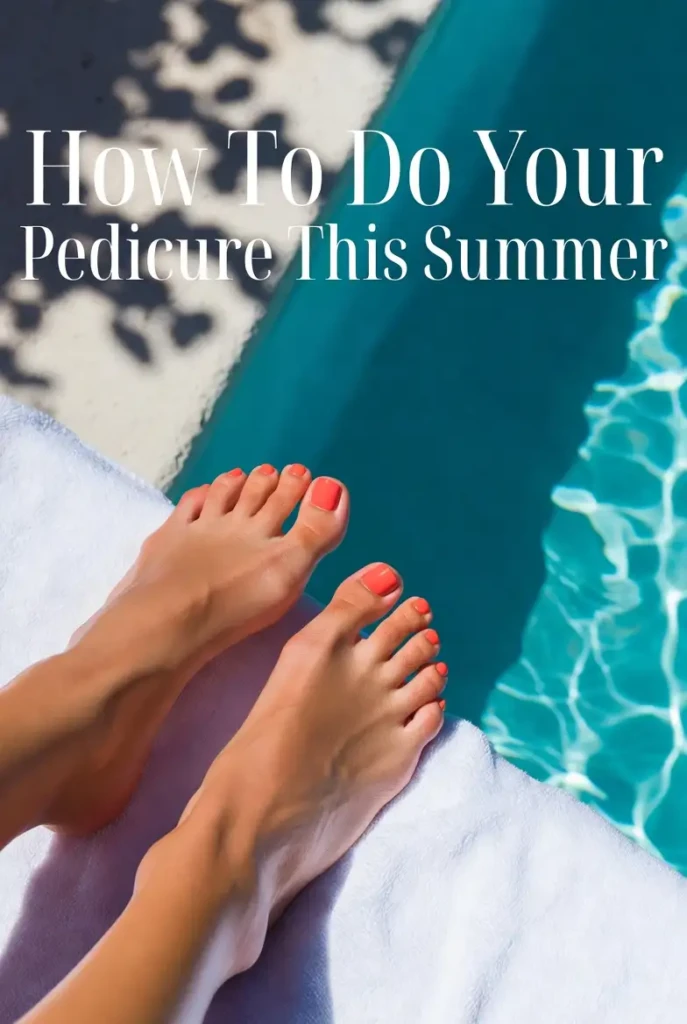
Sandals are unforgiving. A pedicure that looked fine under socks and boots all winter suddenly gets inspected at every beach, pool party, and outdoor dinner the second the weather turns. I don’t think that’s vanity — it’s just math. Your feet are visible for roughly five months a year, and most people only think about them seriously during one of those months, usually right before a vacation.
Here’s what actually matters for a summer pedicure, based on what works and what’s mostly marketing.
I’ll say upfront that most of this isn’t complicated. The pedicure industry, like most beauty industries, has an incentive to make foot care sound more technical than it is — new tools, new “systems,” new must-have products every season. Most of what makes a pedicure last through summer comes down to four or five habits, not a shelf of products.
Why Summer Is Different
Heat and exposed skin change the rules. Feet sweat more in sandals than they ever did in sneakers, which means polish lifts faster at the edges. Saltwater and chlorine are brutal on both skin and nail color — a week at the beach can fade a manicure that would have survived a month indoors. And calluses that hid quietly inside closed shoes all winter show up immediately the first time you slide into a pair of flip-flops.
None of this means you need an elaborate routine. It means timing matters more than product count.
Prep Before Polish
Soaking your feet does less than people think. Ten minutes in warm water softens skin, but it doesn’t remove calluses on its own — you still need a foot file or pumice stone, used while the skin is damp, in short strokes rather than aggressive sawing. I learned the hard way that scrubbing too hard in one spot just irritates the skin instead of smoothing it; a light pass every few days beats one brutal session before a trip.
Cuticles are where I’d push back on standard advice. Most pedicure guides tell you to push cuticles back and trim them. Dermatologists generally don’t recommend cutting cuticles at all, since they’re a barrier against infection, and nail techs who get aggressive with cuticle nippers are a real source of nail bed irritation. Pushing them back gently with a cuticle stick after a soak is enough. Save the trimming for a professional with sterilized tools, not a five-dollar kit from a drugstore.
Moisturizer matters more in summer than people expect, mostly because sandals expose heels to friction and sun that closed shoes never did. A thick foot cream at night, under socks, does more for cracked heels than any single pedicure will.
Colors and Finishes Worth Knowing About
Every summer, some outlet declares a “color of the season,” and every summer it’s slightly different shade of the same five ideas: bright coral, hot pink, a pastel, a neutral, and whatever metallic finish is trending that year. I’ll be honest — I think the color matters less than people assume. What matters more is whether the finish suits how you actually live.
Glossy reds and corals photograph well and read as classic, but they show chips faster than people expect, especially on toenails that take more daily impact than fingernails. Chrome and “glazed” metallic finishes look striking in good light and slightly odd in flat indoor lighting — fine for a beach trip, less practical for everyday wear. Soft neutrals and sheer pinks hide regrowth and chips longer than any bold color, which is the unglamorous reason they stay popular regardless of what’s “trending.”
If you want one piece of actual advice instead of a trend report: pick a color you’d still be happy with in three weeks when it’s grown out and slightly chipped, not just the color you’d pick for a single photo.
Nail Art, Kept Simple
A single accent toe — usually the big toe — with a small design is more wearable than a full set of matching art on all ten nails. Tiny dots, a thin gold line, a small flower on just the big toes: these survive daily wear better than intricate art, because they’re small enough that a chip in one spot doesn’t ruin the whole look.
French tips on toes are having a moment again, and I think they’re underrated for exactly the reason colored polish isn’t: the white tip grows out less obviously than a solid color does, since there’s no harsh line where new nail meets old polish.
Making It Last Through Sandals and Salt Water
Top coat is doing more work in summer than in any other season, and most people under-apply it. A fresh layer of clear top coat every four or five days extends a pedicure noticeably, especially over the toenail edges where sandals create the most friction. If you’re swimming regularly, rinsing feet with fresh water after pool or ocean time and drying them fully before reapplying lotion helps the polish hold instead of lifting at the edges from trapped moisture.
Gel and dip powder genuinely last longer through summer activity than regular polish does — that part of the marketing is true. The tradeoff is removal: both require soaking in acetone or filing down, which thins nails over repeated cycles. If your feet are in sandals and water constantly for months, gel is a reasonable trade. If it’s occasional, regular polish with diligent top coat touch-ups gets you most of the durability without the long-term nail thinning.
DIY Versus the Salon
I don’t think one is objectively better, but I do think people pick based on the wrong factor. Cost comparisons usually win the argument, and a salon pedicure does cost more than a bottle of polish and a pumice stone. But the actual difference that matters is callus and cuticle work — a trained tech with a credo blade or proper tools handles thick calluses more safely and effectively than most people manage at home with a cheese-grater-style foot file.
If you do go to a salon, bringing your own pedicure tools isn’t excessive — it’s reasonable, especially for foot baths that see dozens of clients a day. Reputable salons sterilize equipment, but foot spas with jets are notoriously hard to fully clean, and infections from unsanitized tools or tubs aren’t rare enough to ignore. If a salon balks at you bringing your own kit, that’s worth noting.
Common Mistakes Worth Avoiding
Skipping the base coat is the most common one I see. Bright or dark polish, especially red and coral, stains nails yellow over a season of reapplication without a barrier coat underneath. A clear base coat takes thirty extra seconds and prevents months of discoloration.
Ignoring heels until they crack is another. Cracked heels don’t happen overnight — they build up from dry skin and friction over weeks, usually starting right when sandal season begins and people stop moisturizing as carefully as they did in winter, oddly enough, because they assume warm weather means less dry skin. It doesn’t. Sun and air conditioning both pull moisture out just as effectively as cold winter air does.
And the last one: doing a full pedicure the night before a big trip or event and expecting it to look fresh for two weeks straight. Polish, even good polish, has a realistic lifespan of one to two weeks before it starts showing wear. If you want it to look good through an entire vacation, plan a touch-up day into the trip rather than expecting one application to carry the whole thing.
A Note for Sensitive Feet
Most of this advice assumes healthy skin and normal circulation. If you have diabetes, poor circulation, or any condition that affects healing in your feet, the calculus changes. Small nicks from foot files or cuticle tools that are minor annoyances for most people can turn into real problems when healing is slower than normal. A podiatrist, not a nail salon, is the right place to handle calluses and nail trimming in those cases — it’s not an overcautious recommendation, it’s standard guidance from foot health professionals for exactly this reason.
For everyone else, the main risk in summer isn’t medical, it’s just neglect. Feet get less daily attention than hands because they’re easier to ignore, right up until they’re on display in sandals. A five-minute check every few days — are heels getting dry, is polish chipping at the edges, does a callus need a light pass with a file — catches small issues before they turn into a scramble the night before a trip.
Bottom Line
A good summer pedicure isn’t about chasing whatever color is trending this year. It’s mostly maintenance: gentle, consistent exfoliation instead of one aggressive session, a base coat under bold polish, top coat touch-ups through sandal season, and heel moisturizer that doesn’t stop just because it’s warm out. The polish color is the part everyone notices first and the part that matters least.